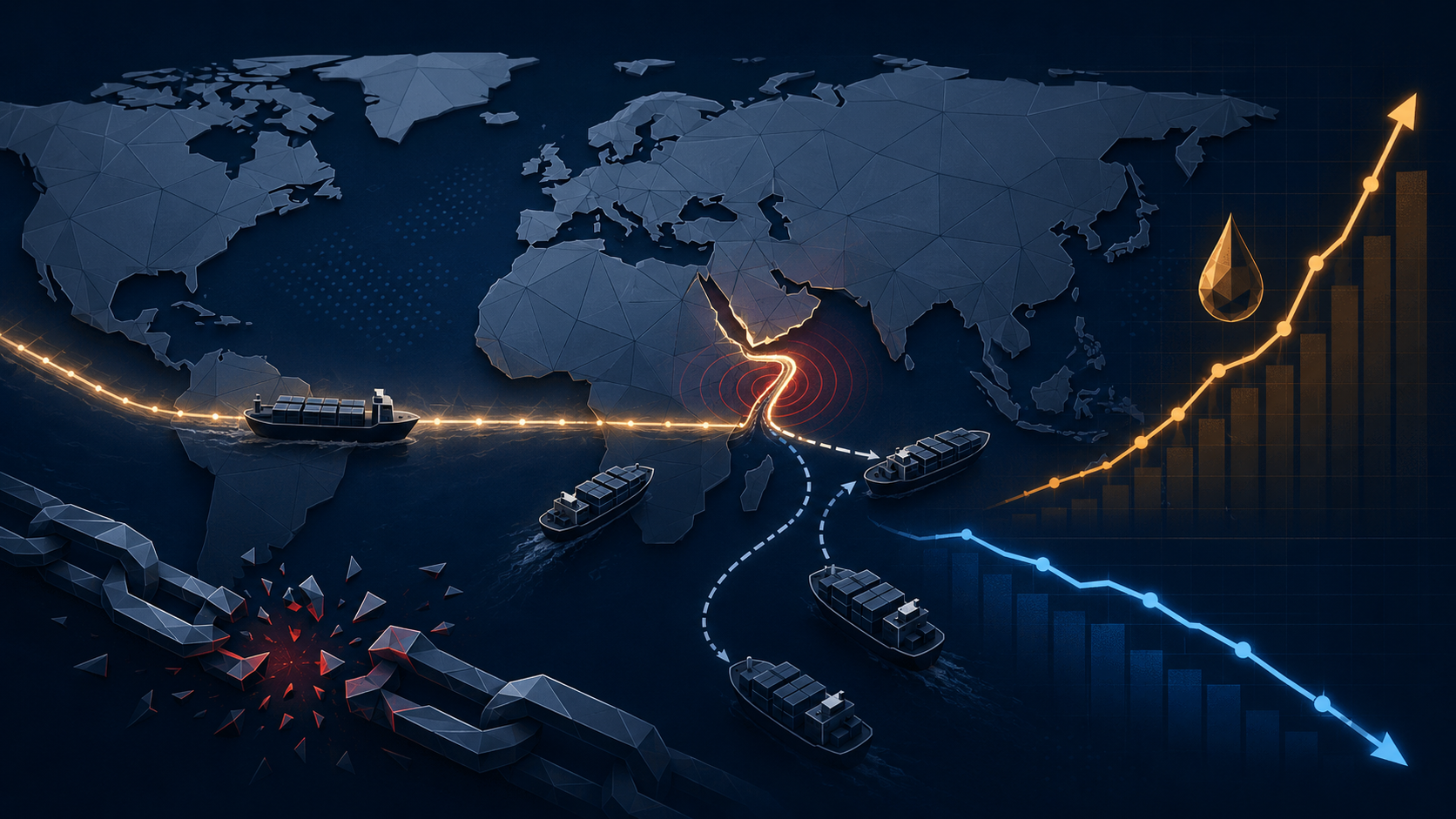
The world economy faces a fresh risk from an escalation of the Middle East conflict, disruption to maritime trade and higher energy prices. World Bank Chief Economist Indermit Gill said on 22 July that a more severe scenario could reduce global growth in 2026 to about 1.3%.
The 1.3% figure is not the institution's baseline forecast. The World Bank's official Global Economic Prospects report projects 2.5% growth for 2026. The lower scenario describes what could happen if hostilities expand and energy supplies suffer further shocks.
Pressure can travel through several channels at once: oil and gas become more expensive, ships reroute, delivery times lengthen and businesses pay more to produce and distribute goods. Those costs can lift inflation and encourage central banks to keep interest rates higher for longer.
Energy-importing countries and economies with limited buffers are more exposed. Even when a country is far from the conflict zone, international fuel, freight and food prices can reach households and companies through utility bills and the cost of everyday goods.
For readers, this development does not mean that 1.3% growth is inevitable. It is a warning about the global economy's sensitivity to energy and trade disruptions. The eventual outcome will depend on the conflict's duration, the safety of shipping routes and governments' ability to absorb the shock.
This article was written from scratch by ON MEDIA.AL. The new facts and the 22 July statement were checked against Reuters, while the 2.5% baseline context was verified through the World Bank's Global Economic Prospects. This analysis is not financial advice.