A DISPUTE THAT REACHES THE ARCHITECTURE OF WORLD FOOTBALL
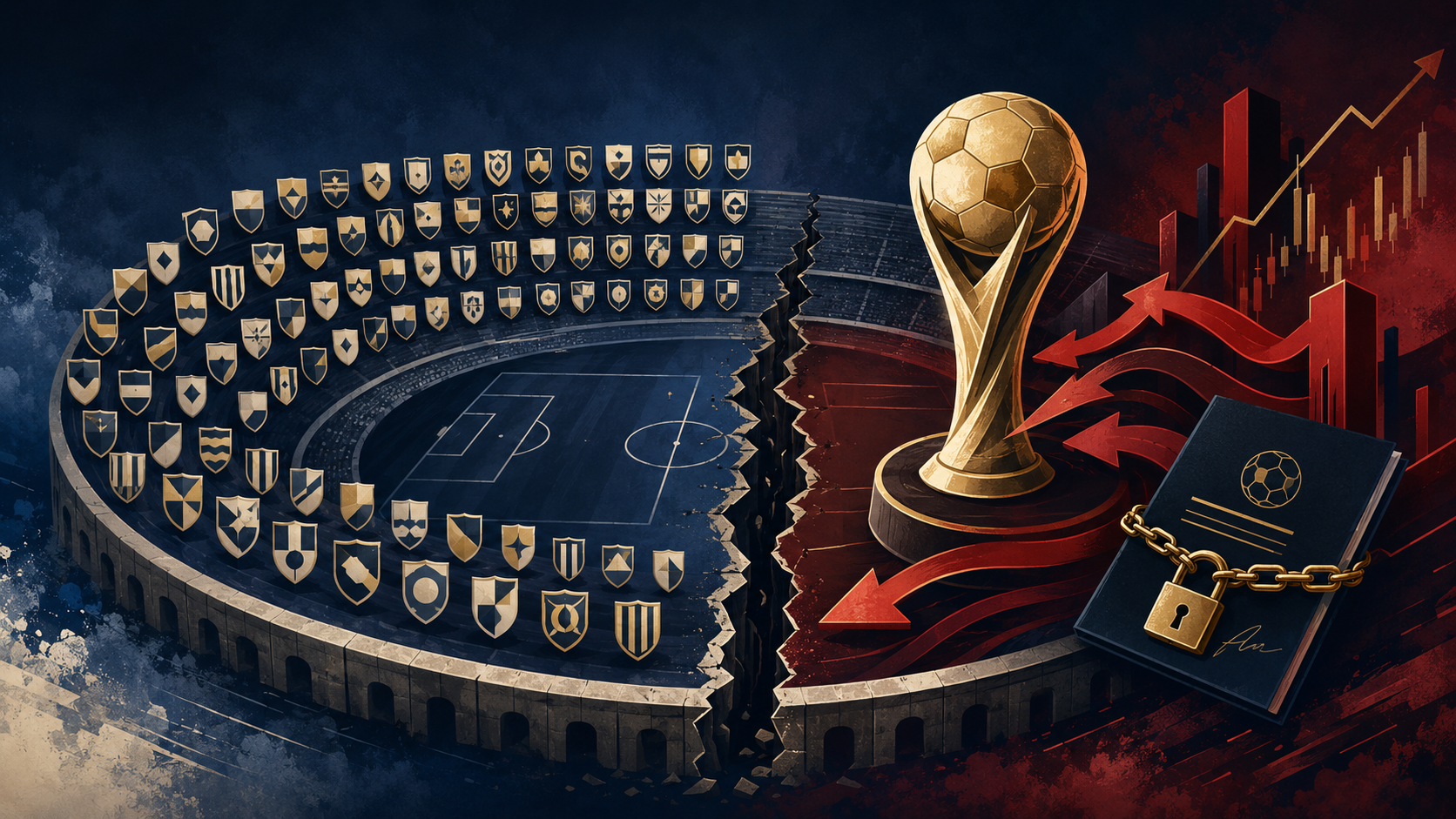
UEFA and its 55 national associations issued a joint position on 30 July 2026 opposing a proposal that would give private investors ownership interests in the World Cup and other FIFA competitions. According to the official statement, no UEFA national team will take part in a FIFA competition while the proposal remains active, unless it is withdrawn in full and binding assurances are given against such a model in the future.
This is an officially stated condition from European football's governing body and its associations, not a media report or an assumed decision. At the same time, the statement does not mean ownership has already been transferred: it challenges a proposal and links future participation to its fate.
UEFA'S ARGUMENT
At the centre of the objection is the view that national-team competitions should be managed as a sporting inheritance rather than as products carrying a permanent obligation to deliver financial returns to shareholders. UEFA argues that introducing private ownership interests would influence the calendar, competition formats and decision-making because sporting priorities would have to coexist with investor expectations.
The statement also criticises the decision-making process and the lack of consultation. Its shortest message — “the World Cup is not for sale” — captures the political line UEFA wants to hold.
WHAT COULD CHANGE
If both positions remain unchanged, the dispute could directly affect European representation in FIFA competitions. Europe supplies a large share of the teams, players and broadcast markets in international football, so non-participation would be far more than an administrative disagreement.
The statement nevertheless leaves a clear route out: full withdrawal of the proposal and binding assurances for the future. That places pressure on institutional negotiations before the disagreement turns into actual absences from competition.
WHY IT MATTERS
The development opens a broader debate about ownership and control in sport. Private finance can provide capital, but ownership interests in the competitions themselves are different from sponsorship or the sale of media rights. They can create long-term rights and obligations that shape how the game is organised.
For supporters and teams, the central question is not only who finances football, but who gains the right to influence its structure. The next decisive development will be an official FIFA response or any material change to the proposal. Until then, the verified fact is that UEFA and its associations have made participation conditional on the plan being withdrawn in full.